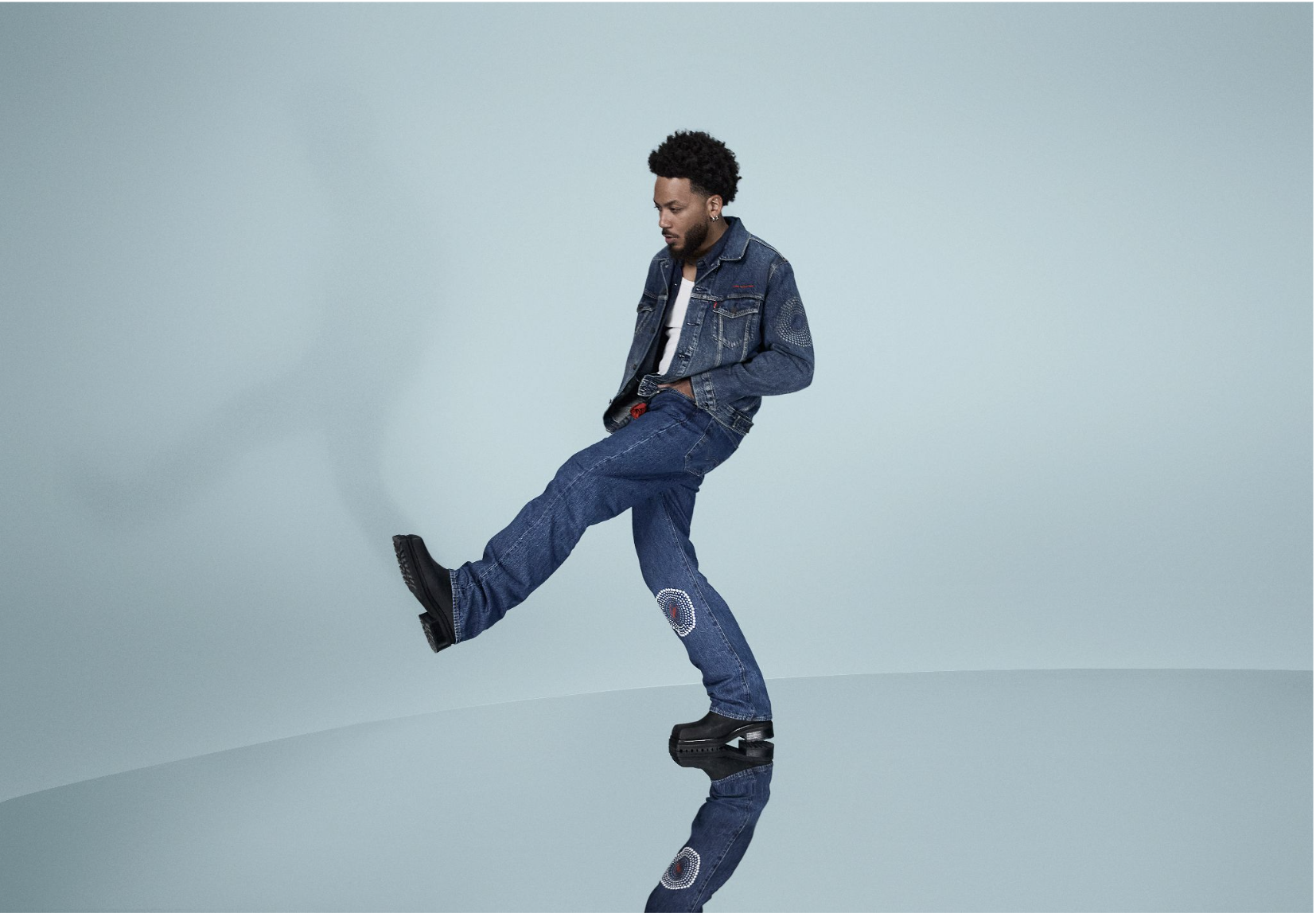
Levi's needed a flagship launch. We built a partnership model instead.
I led the partnership end to end across strategy, creative direction, artist relationships, and GTM. Directed cross-functional teams at COLORS spanning creative, production, and artist management, working alongside Levi's brand, retail, and executive stakeholders. Structured a multi-million-euro cultural partnership designed to function as a long-term platform, not a single activation.
The strategic question: how do you make a heritage brand belong where it hadn't earned its place?
Levi's had heritage, but no automatic relevance with Gen Z in this specific context. There was no existing partnership structure, defined cultural narrative, or built-in credibility with the audience.
The risk my team and I faced was indifference, which is the hardest failure to recover from.
In culture-first environments, the audience is constantly asking: do you belong here, or are you trying to use this moment? Most brands respond by increasing control via more messaging and brand presence. That usually makes the disconnect even worse.
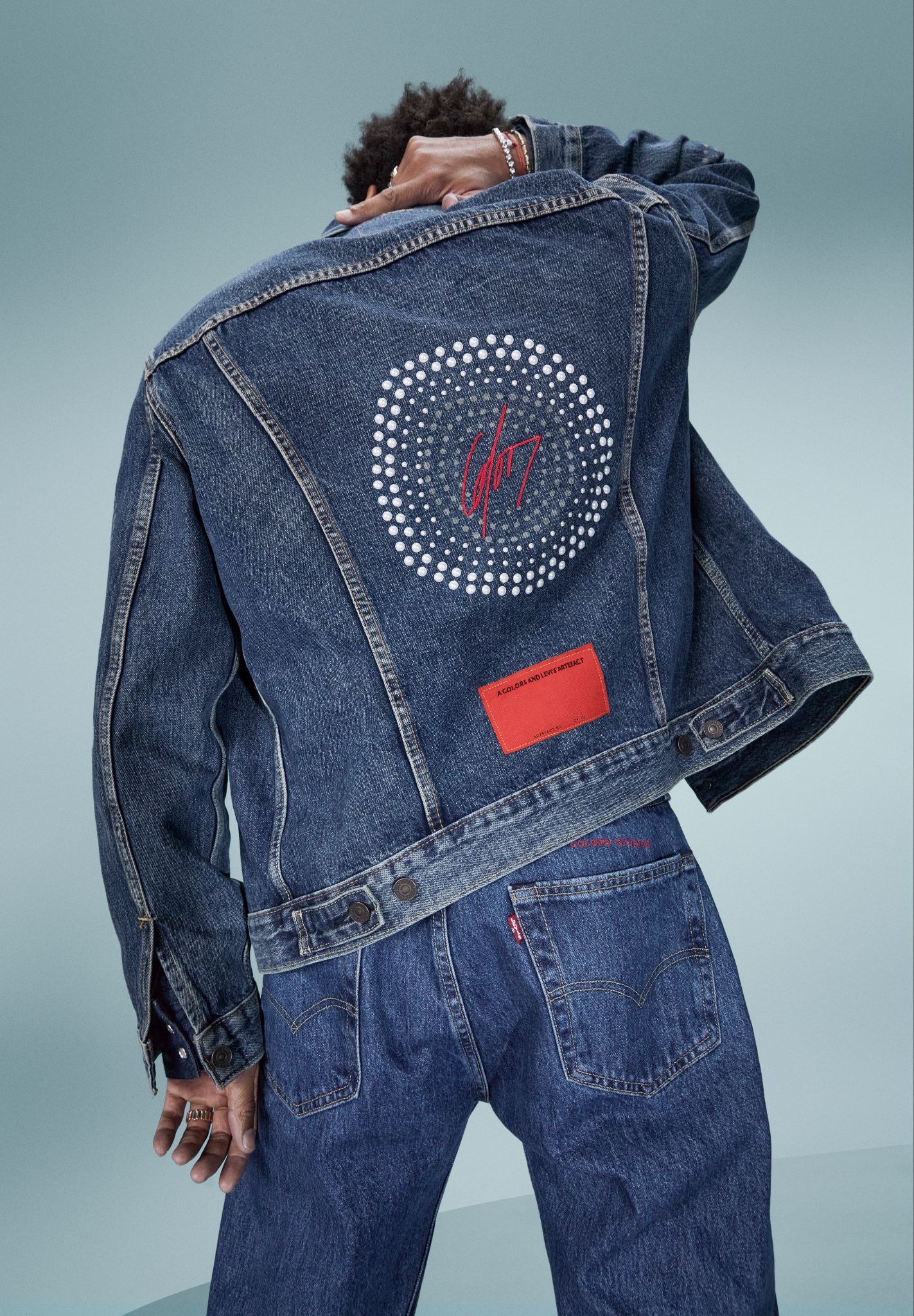
Instead of building a campaign around Levi's, I reframed the partnership as artist-led storytelling, with culture as the entry point and brand as the enabler.
The strategic move was restraint. In a culture-first environment, brand presence stops being a proxy for brand strength. Pulling back is what creates the space for credibility to land.
This required a shift most global brands resist: giving up control in order to gain it.
The idea was the easy part. Selling it inside a global brand was not.
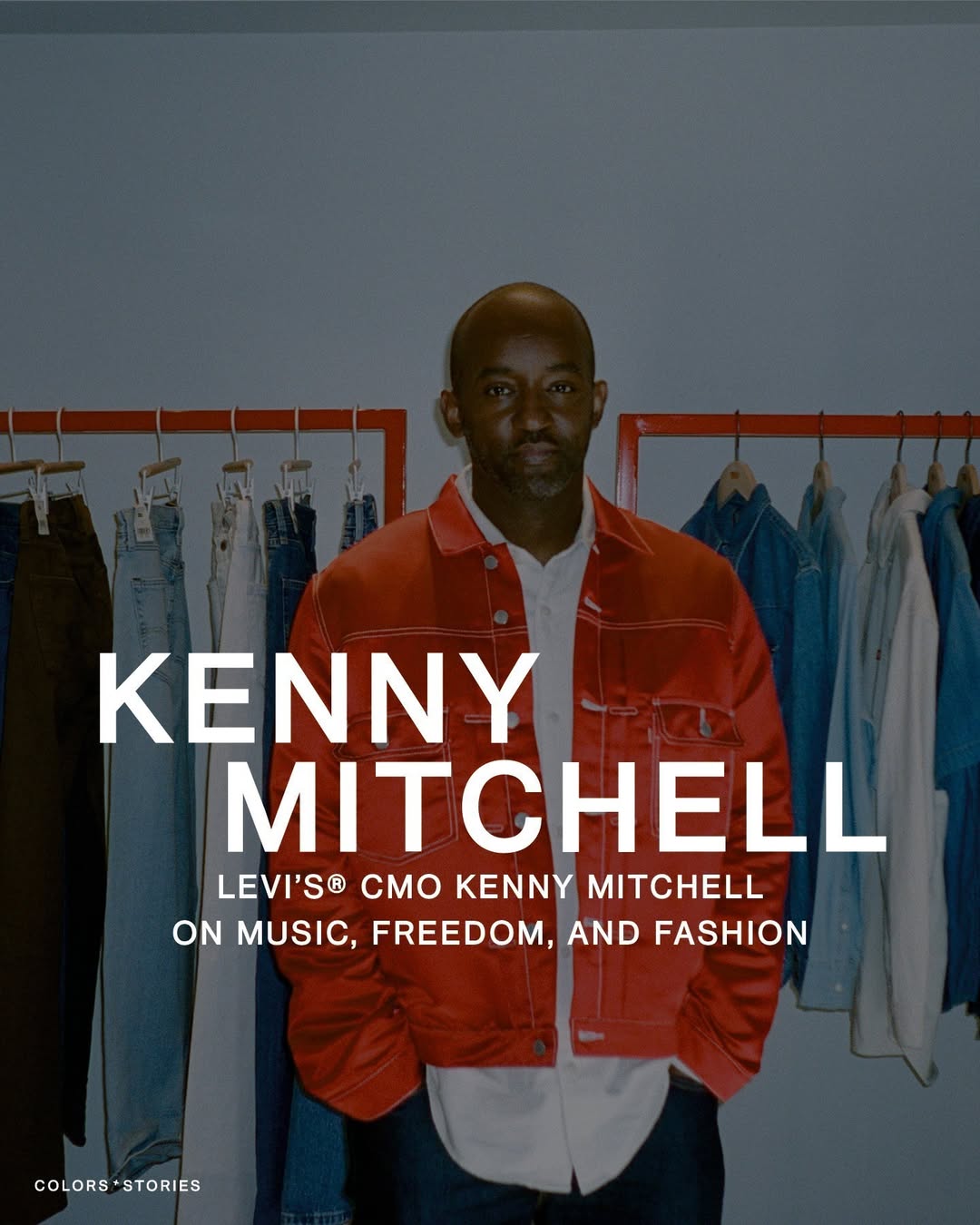
I built the case at the executive level around what control was costing Levi's with this audience. Once the trade was framed that way, foregrounding the artist stopped being a loss of brand presence and started being the mechanism for earning credibility the brand couldn't buy. The CMO's own editorial launched on COLORS. This showed that Levi's could show up on a cultural platform and earn the stage on the platform's terms.
I found that the harder work was internal. Getting a global brand to step back inside its own launch requires giving executives a structure they can defend. The 3-phase system did that. Each phase made the brand's role legible at every altitude, which is what allowed restraint to survive contact with the org.

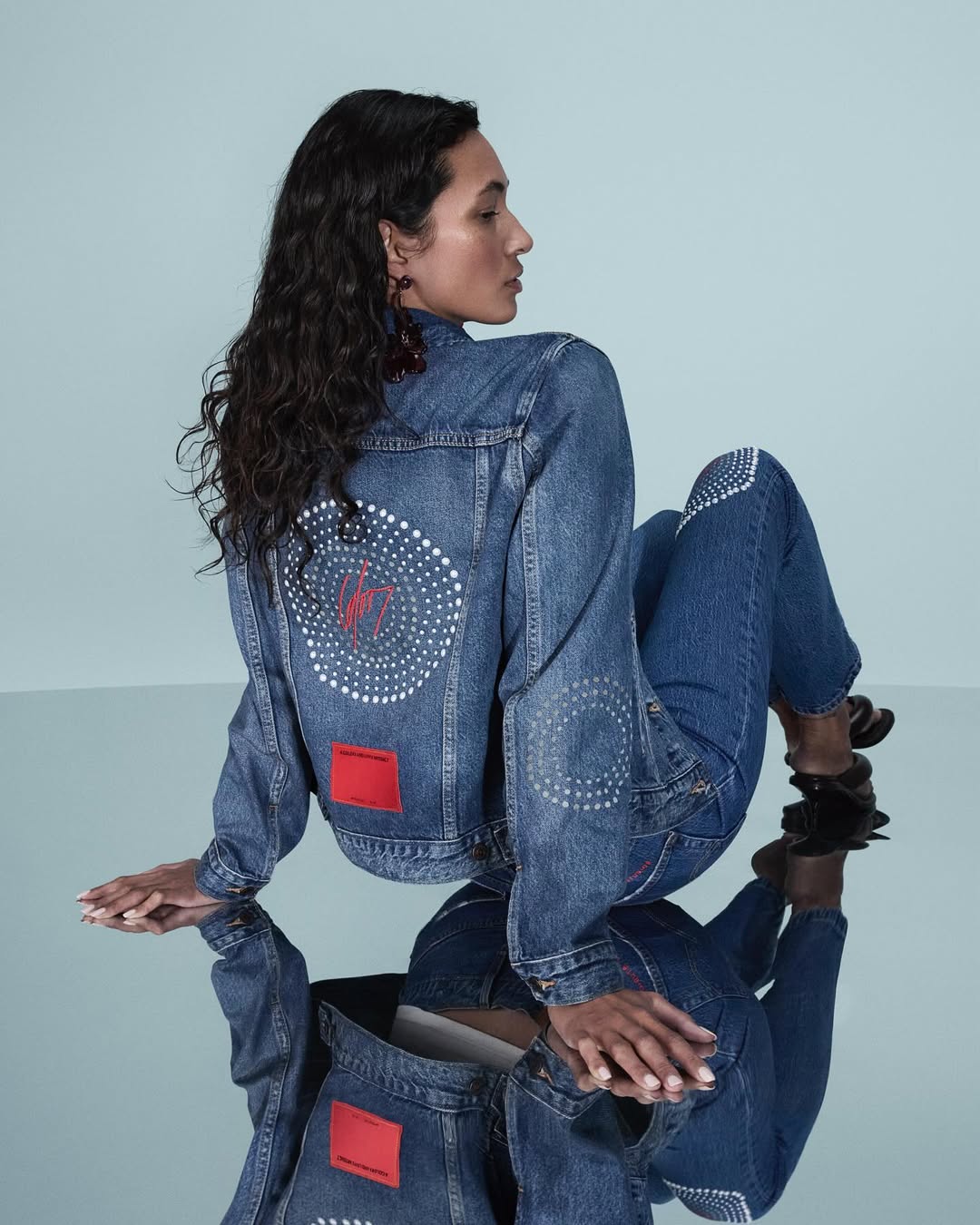
Brands do not create desire by being present. They earn it by being placed correctly within culture.
The strongest brands know when and how to use their voice.
Proximity can be borrowed. Belonging has to be built, and your audience decides if you've earned your spot.