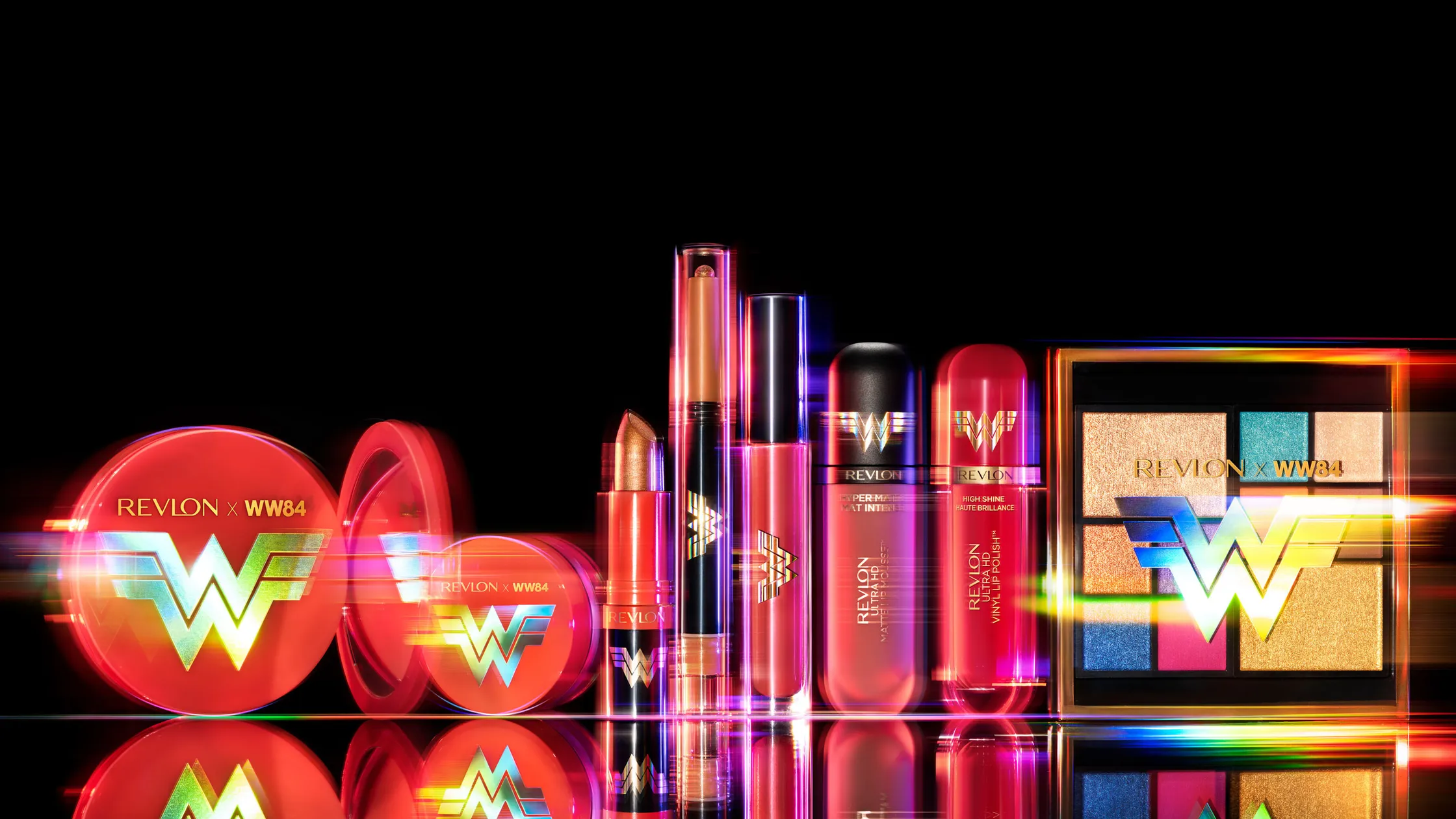
The cultural moment disappeared. The campaign still had to land.
I led the global GTM rollout for the Wonder Woman × Warner Bros. × Revlon licensed IP partnership, coordinating the Warner Bros. partnership side as the decision shifted from launching with the film to launching without it.
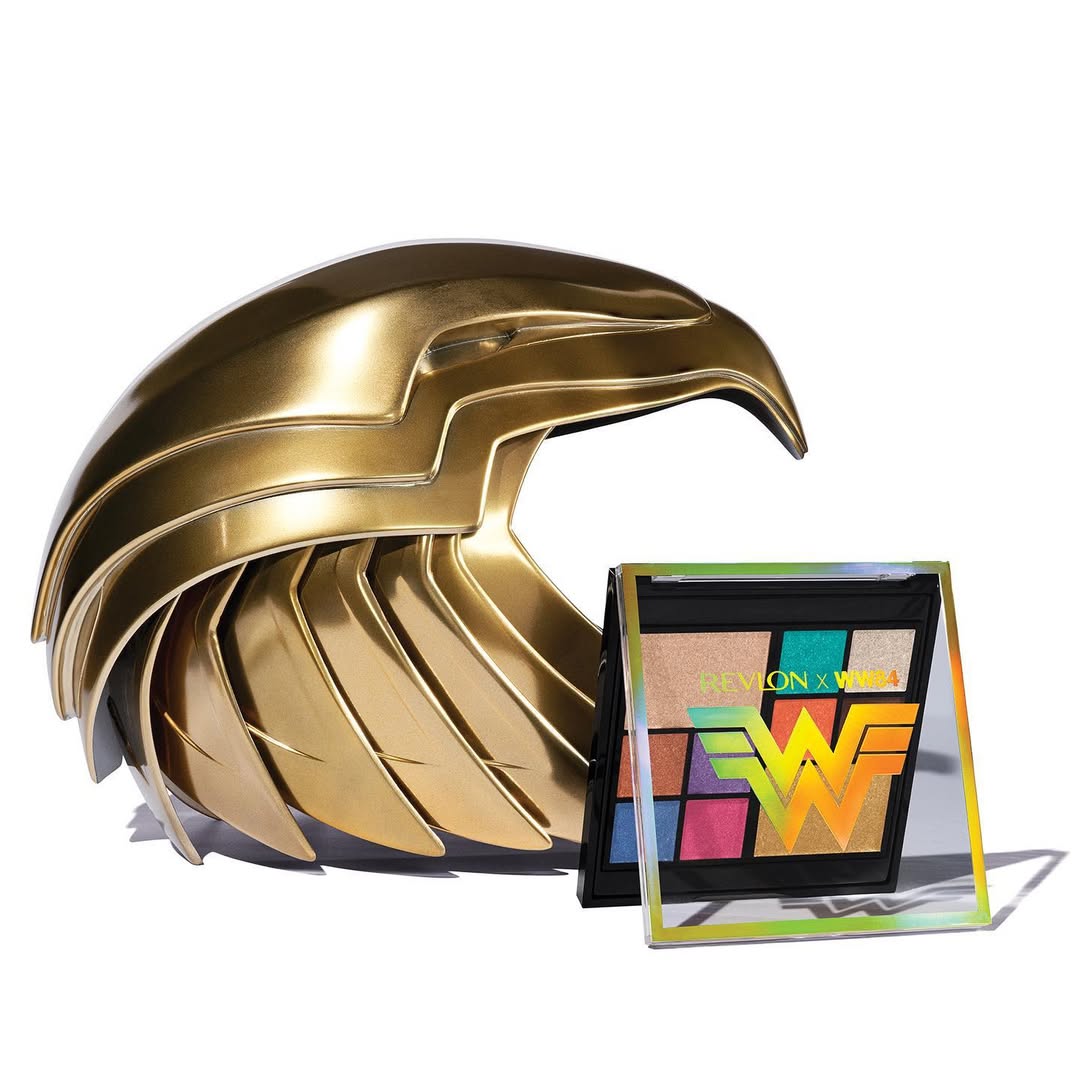
Revlon partnered with Warner Bros. on a full makeup collection inspired by Wonder Woman 1984, built to launch alongside the film's theatrical release. When the pandemic delayed the film indefinitely, the launch's entire premise (synchrony with a cultural moment) collapsed. The collection ultimately launched globally six months ahead of the eventual December 2020 release.
Achieved strong sell-through across key markets without film-driven demand. Repositioned the collection as IP-led, allowing the film to act as a second wave rather than the launch driver.
The collection had been designed for synchrony. Product launch, retail endcaps, influencer seeding, paid media, and editorial coverage were all built around the film's theatrical date. That synchrony was the entire point. A licensed IP launch borrows its cultural moment from the film it's tied to.
When the pandemic delayed Wonder Woman 1984 indefinitely, every channel's timing assumption broke at once. Retail partners wanted clarity. Warner Bros. had its own calendar to protect. Internal teams were holding finished assets with nowhere to put them.
The default move in this situation is to pause. Wait for the film. Relaunch when the moment returns. Most brands made that choice in 2020.
Instead of waiting, the decision was to launch the collection six months ahead of the film's eventual release, treating the IP itself as the cultural asset rather than the theatrical moment around it.
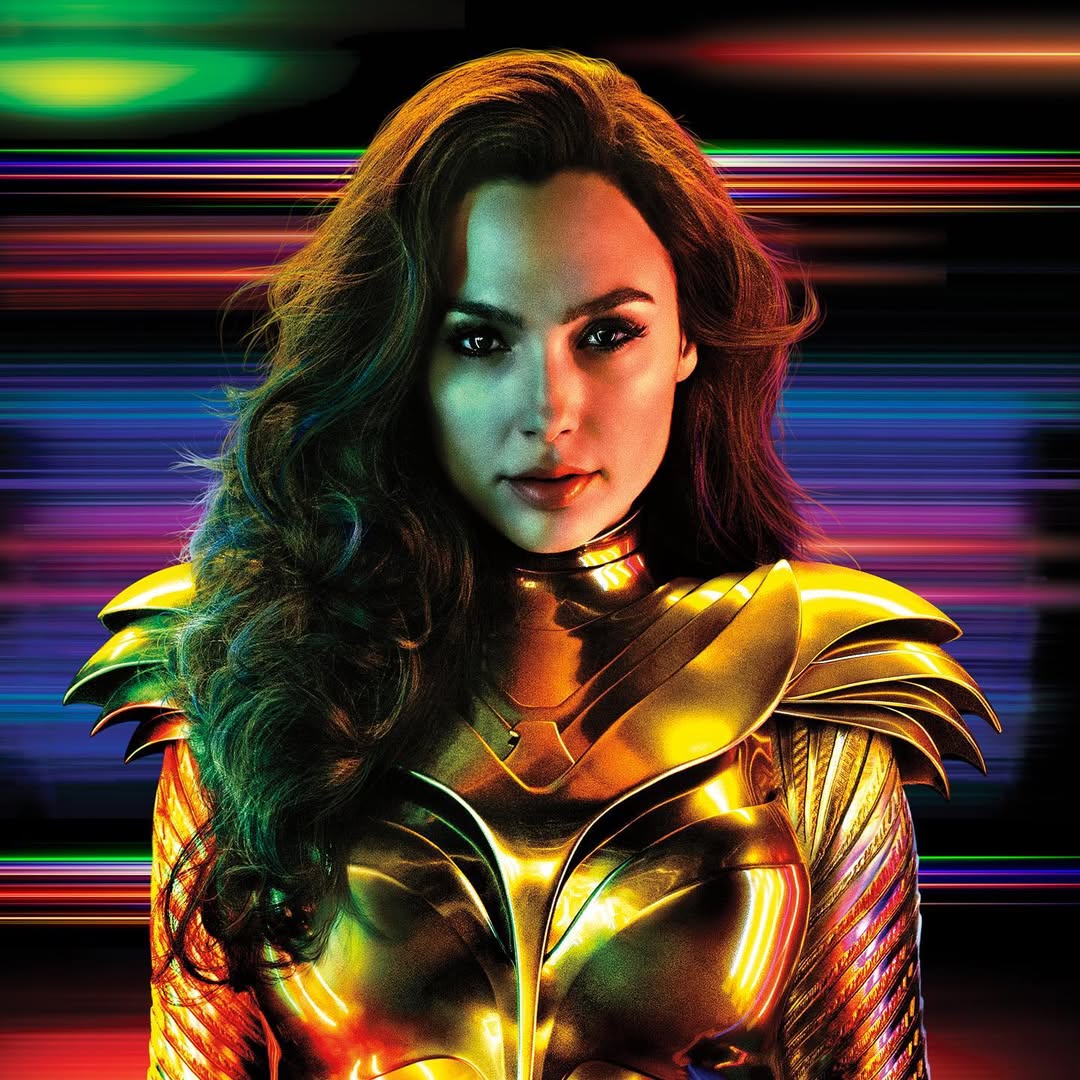
Wonder Woman is not a movie tie-in. She is one of the most durable female icons of the last century. The partnership was structured around her cultural weight, not the film's release calendar. That distinction is what made a decoupled launch possible.
Licensed IP partnerships are usually described as tie-ins, which is exactly why most of them feel transactional.
The stronger version is to treat the IP as a cultural asset with its own weight, and the partnering moment, a film, a show, a tour, as an accelerant rather than a foundation.
Borrowed momentum collapses when the partner's timing changes. Owned momentum does not.